Emergency Fund 101: How Much You Really Need and How to Build It
Meta Description (155 characters):
Learn how to build an emergency fund that truly protects you. Discover how much you need, where to save it, and smart strategies for financial security.
Introduction: Why Every American Needs an Emergency Fund
Unexpected expenses happen — a job loss, medical emergency, or sudden home repair can derail even the most careful budget. Without a safety net, these moments turn into financial chaos. That’s why having an emergency fund is essential.
An emergency fund acts as a financial cushion when life throws you a curveball. Instead of relying on credit cards or loans, your emergency fund keeps you secure and in control.
According to a 2025 Bankrate study, only 46% of Americans can cover three months of expenses from savings. If you’re not among them, don’t worry — building an emergency fund is simpler than it sounds, and this guide will walk you through exactly how to do it.
What Is an Emergency Fund (and Why It’s So Important)?
An emergency fund is a pool of money reserved exclusively for unforeseen expenses. It’s not for vacations or shopping; it’s for when life hits hard.
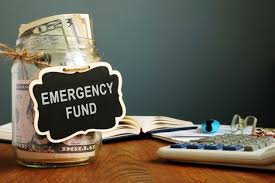
Your emergency fund protects you from going into debt when facing:
- Medical emergencies
- Job loss or pay cuts
- Urgent car or home repairs
- Unexpected travel or family emergencies
A proper emergency fund should be:
- Separate from your everyday accounts
- Accessible but not too easy to dip into
- Safe in a high-yield savings or money market account
- Dedicated only to true emergencies
When you have a solid emergency fund, financial surprises become manageable instead of devastating.
How Much Should You Have in Your Emergency Fund?
The right size for your emergency fund depends on your lifestyle, job stability, and financial goals. Most experts recommend 3–6 months of living expenses as a starting point.
1. The 3-Month Emergency Fund
A 3-month emergency fund is ideal if you have stable employment or a dual-income household. It provides short-term protection for smaller disruptions like medical bills or temporary job loss.
2. The 6-Month Emergency Fund
For most people, a 6-month emergency fund offers the perfect balance of safety and practicality. It covers half a year of expenses, giving you breathing room to recover from job loss or economic downturns.
3. The 9–12 Month Emergency Fund
If you’re self-employed, work in a volatile industry, or support a family on one income, consider a larger emergency fund. Having up to a year’s worth of expenses ensures you can weather prolonged uncertainty.
4. Personalize Your Emergency Fund
No two households are alike. A single professional with low expenses may need a smaller emergency fund, while a parent supporting dependents might need more. The key is tailoring your fund to your risk level and peace of mind.
Also read: How to Create a Realistic Monthly Budget in 2025: Step-by-Step Guide for Beginners
Why Most Americans Struggle to Build an Emergency Fund
Despite understanding the importance of an emergency fund, many Americans find it hard to build one. The main obstacles include:
- Living paycheck to paycheck — leaving little room to save.
- High-interest debt — draining disposable income.
- Lack of awareness — not knowing how much to save or where to start.
- Impulse spending — dipping into savings for non-emergencies.
The solution isn’t perfection — it’s progress. You can build your emergency fund step by step with the right plan and mindset.
Step-by-Step Guide to Building an Emergency Fund
Building your emergency fund takes commitment, but it’s absolutely doable. Here’s a clear roadmap to get started.
1. Calculate Your Monthly Essentials
Add up the costs you’d still face if you lost your income:
- Rent or mortgage
- Utilities
- Groceries
- Health insurance
- Car expenses
- Childcare and debt payments
Multiply that total by your chosen goal (3–6 months). That’s how much you’ll need in your emergency fund.
2. Set a Starter Goal
If saving several months of expenses feels overwhelming, start with a $1,000 mini emergency fund. This small goal covers common surprises — like car repairs or medical copays — and helps you avoid credit card debt.
Once that’s done, you can expand your emergency fund toward your full target.
3. Automate Your Savings
Automation is the secret weapon for consistency. Set up a recurring transfer from your checking account to your emergency fund each payday. Even $25–$100 per week adds up fast.
Treat your emergency fund like a must-pay bill — because it is.
4. Use Windfalls to Boost Your Fund
Tax refunds, work bonuses, or side hustle income are perfect for growing your emergency fund. Redirect at least part of these windfalls before they get spent elsewhere.
5. Cut Unnecessary Spending
Audit your budget for leaks. Cancel unused subscriptions, cook more at home, and shop smarter. Every dollar saved can strengthen your emergency fund.
Try a “no-spend month” — redirect every saved dollar into your emergency fund and watch it grow quickly.
6. Increase Your Income
Extra income can accelerate your emergency fund growth. Consider freelancing, selling unused items, or taking short-term gigs. The goal isn’t to work forever — just until your fund is strong.
7. Track and Celebrate Progress
Seeing your emergency fund grow is motivating. Use an app or spreadsheet to track deposits and milestones. Celebrate small wins — $500, $1,000, and beyond.
Where to Keep Your Emergency Fund
Where you store your emergency fund matters as much as how you save it. The ideal account is secure, pays interest, and gives quick access when needed.
Best Accounts for Your Emergency Fund
- High-Yield Savings Account
FDIC-insured and easy to access within days, these accounts offer competitive interest to grow your emergency fund safely. - Money Market Account
Often with check-writing privileges, these combine safety and convenience for your emergency fund. - Short-Term Certificate of Deposit (CD)
Use short-term CDs (3–6 months) for part of your emergency fund. Just ensure some cash remains liquid for immediate needs. - Credit Union Accounts
Local credit unions sometimes offer better rates and fewer fees, ideal for an accessible emergency fund.
Avoid Storing Your Emergency Fund In:
- Stock or crypto accounts (too risky)
- Retirement accounts (tax penalties)
- Long-term CDs (withdrawal fees)
- Cash at home (unsafe and earns nothing)
Keep your emergency fund easy to reach — but just out of daily temptation.
When to Use Your Emergency Fund
Your emergency fund should only be used for urgent, unexpected, and necessary expenses.
Appropriate Uses
- Job loss or pay cuts
- Major medical or dental emergencies
- Urgent home or car repairs
- Emergency travel for family matters
Avoid Using It For
- Vacations or gifts
- Everyday bills
- Planned events (like weddings or holidays)
- Impulse purchases
Ask yourself: “If I don’t pay for this now, will my financial stability suffer?” If not, leave your emergency fund untouched.
Rebuilding Your Emergency Fund After Use
If you dip into your emergency fund, rebuild it as soon as possible. Resume automatic transfers, allocate bonuses, and tighten your budget until you’re back to full strength.
Think of your emergency fund as a living system — always ready, always replenished.
Sample Emergency Fund Plan: Real-World Example
Scenario: Sarah, a Single Professional
- Monthly expenses: $3,000
- Goal: 6-month emergency fund = $18,000
| Phase | Duration | Target | Monthly Savings | Strategy |
|---|---|---|---|---|
| Phase 1 | 2 months | $1,500 | $750 | Reduce dining out + use bonuses |
| Phase 2 | 6 months | $9,000 | $1,250 | Automate transfers + side gig |
| Phase 3 | 10 months | $18,000 | $900 | Maintain automation + review budget |
By staying consistent, Sarah can build a full emergency fund within 10–12 months — without major sacrifices.
Common Challenges (and How to Beat Them)
1. “I Can’t Afford to Save”
Start tiny. Even $10–$25 per paycheck builds momentum. Over time, small savings snowball into a reliable emergency fund.
2. “I Keep Using It for Non-Emergencies”
Keep your emergency fund in a separate bank. The extra step to access it prevents emotional spending.
3. “It’s Taking Too Long”
Stay patient. Every deposit, no matter how small, strengthens your emergency fund. Remember, it’s a marathon, not a sprint.
4. “Inflation Is Eating My Savings”
Use a high-yield savings account with competitive interest to ensure your emergency fund keeps pace with inflation.
Advanced Emergency Fund Strategies
Once your emergency fund is established, optimize it further:
- Layered Approach:
Keep 3 months in a savings account and another 3 months in a money market account. - Annual Adjustments:
Reevaluate your emergency fund yearly as expenses change. - Insurance Coordination:
Align your emergency fund with health, auto, and home insurance for stronger protection. - Backup Options:
Maintain a low-interest credit line as a final fallback — but your emergency fund should come first.
The Emotional Power of an Emergency Fund
Money isn’t just math — it’s emotional. Knowing your emergency fund can cover life’s surprises brings peace of mind and confidence. You’ll worry less, sleep better, and make decisions from a place of strength, not fear.
An emergency fund is more than savings — it’s freedom from panic when life goes sideways.
Key Takeaways
- Your emergency fund is your financial safety net.
- Aim for 3–6 months of essential expenses, or more if your income is unstable.
- Start small — even $1,000 makes a difference.
- Automate savings to grow your emergency fund effortlessly.
- Keep it liquid, safe, and separate from daily spending.
- Use it only for true emergencies — and rebuild it after use.
Final Thoughts: Start Building Your Emergency Fund Today
An emergency fund is one of the smartest financial moves you can make. Whether you start with $50 or $500, the key is consistency. Every contribution brings you closer to independence and security.
Don’t wait for a crisis — start your emergency fund today. Your future self will thank you.